What Do All These Global Crises Have in Common?
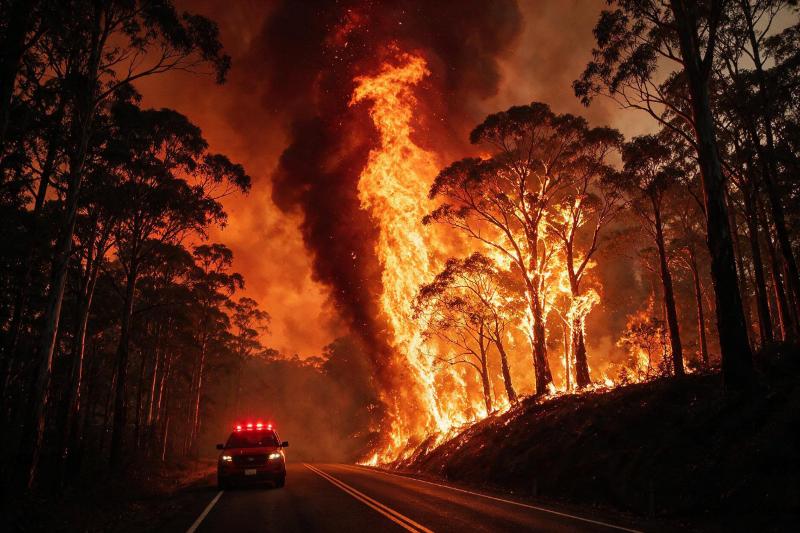
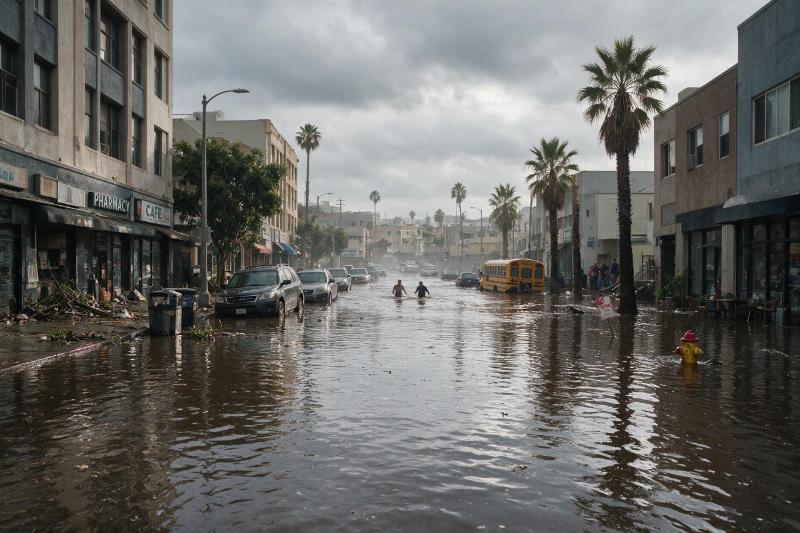

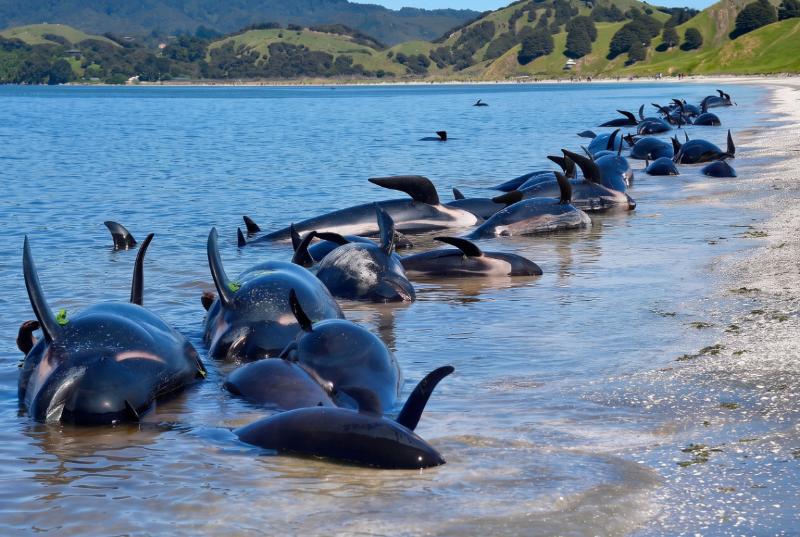
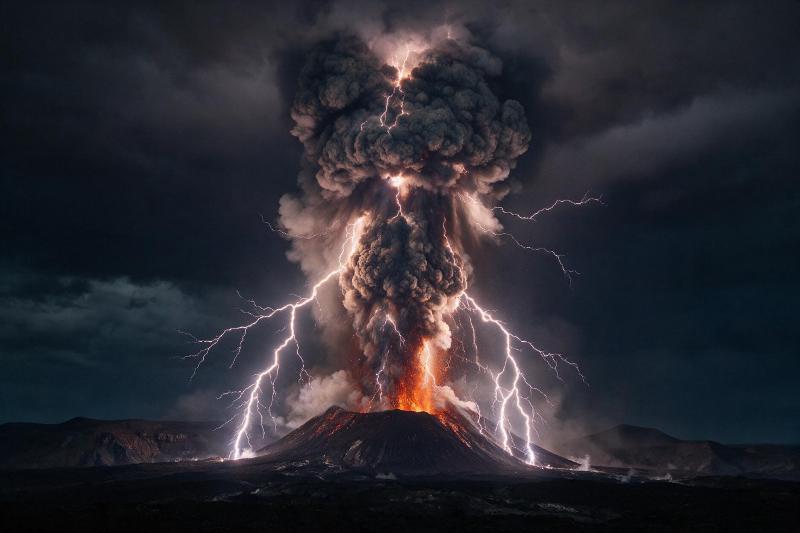
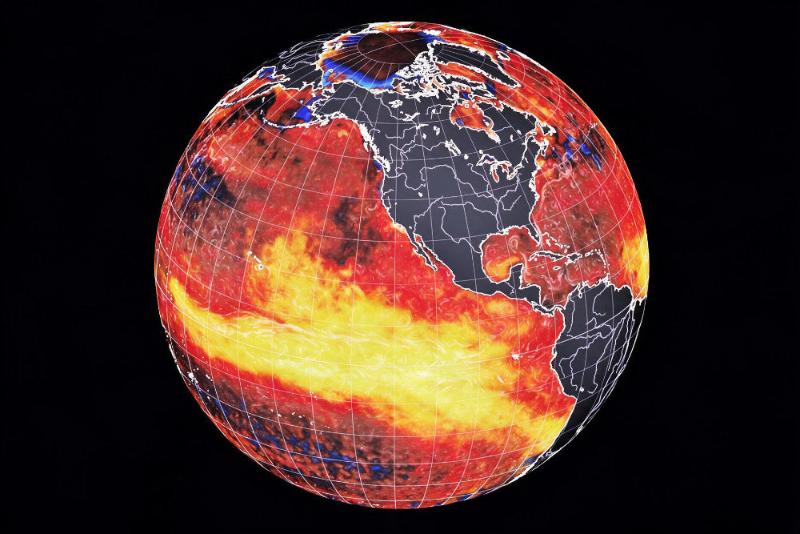
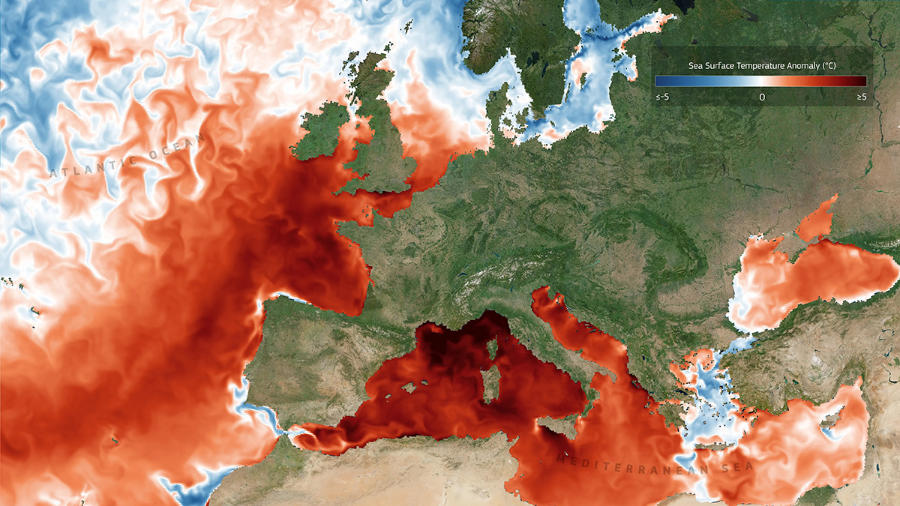
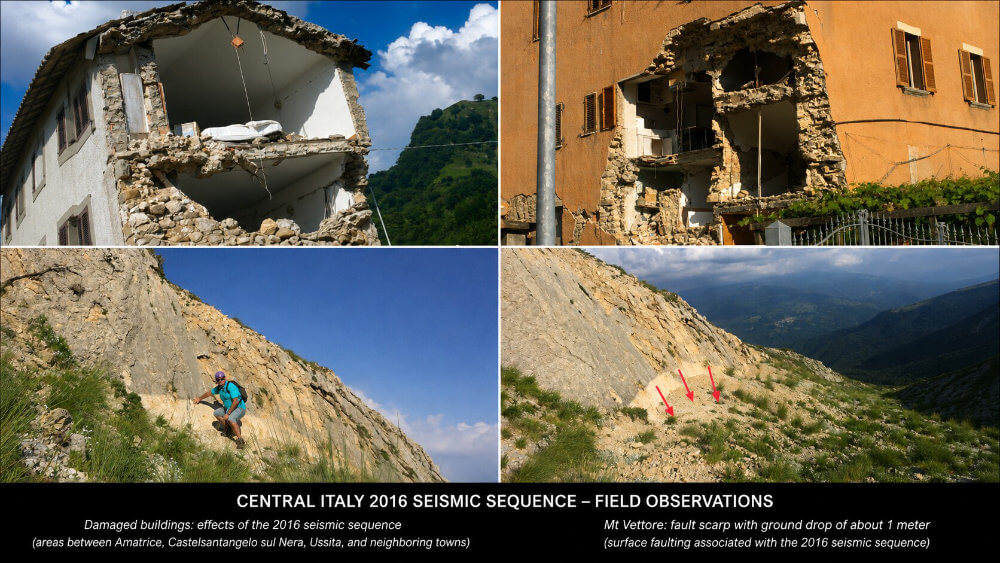
Are we missing important connections between these phenomena?
Global media outlets are recording unprecedented spikes in extreme weather, seismic anomalies, and ocean warming. While mainstream reports track these escalating crises individually, they are generally investigated within separate scientific domains, leaving open the question of whether some may also be influenced by common external forcings or coupled Earth–Space processes.
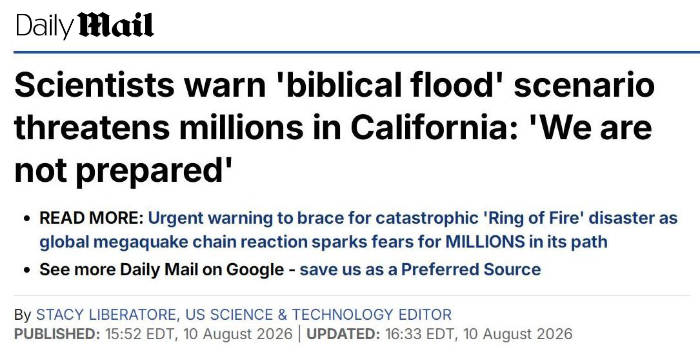
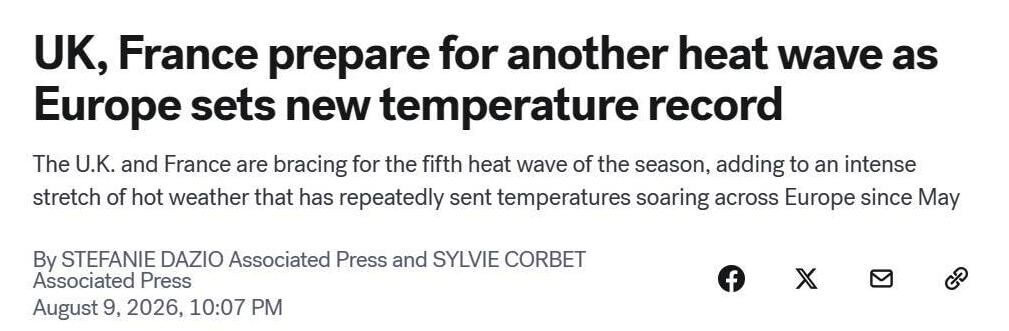
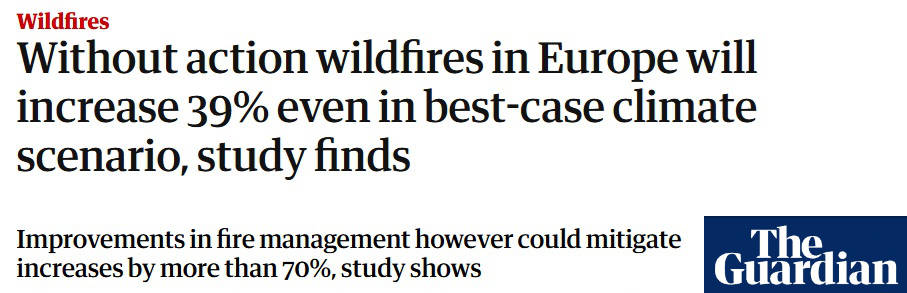
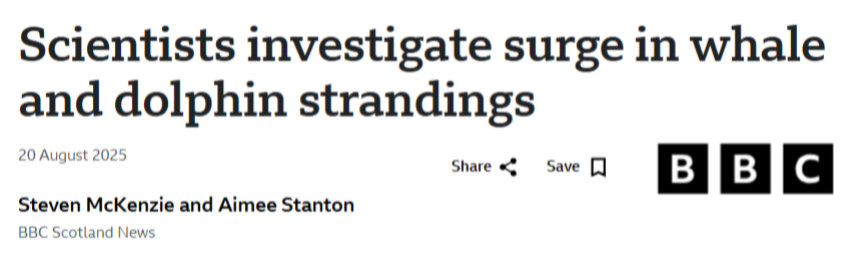
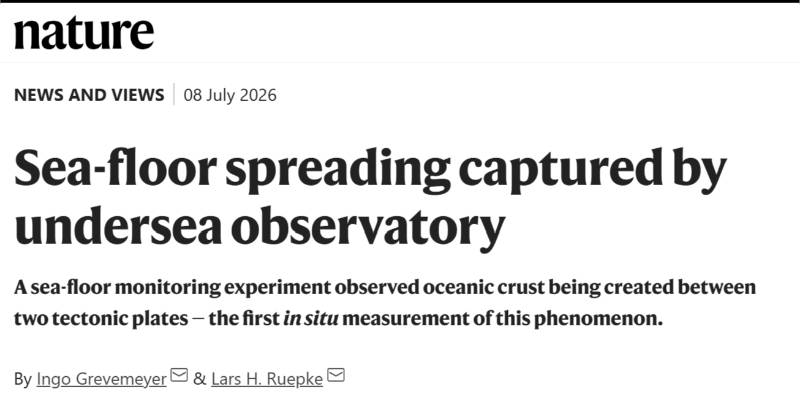
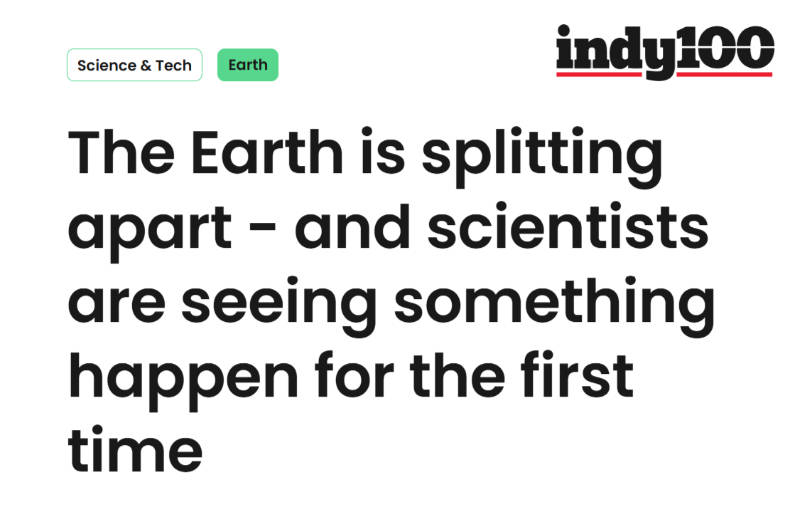
Connecting the Dots:
The Earth-Space Dynamic
Toward more integrated models: Geodynamic, oceanographic, atmospheric and space-weather processes are usually studied within specialized disciplines. The conference explores whether additional insight can emerge by examining possible interactions across these systems.
The Electromagnetic Link: Research is investigating how the Sun, magnetosphere, ionosphere, atmosphere and solid Earth may interact through electromagnetic and other coupling processes. Solar-wind perturbations, geomagnetic induction and other Earth–Space forcings may act as contributing or modulating factors under particular geophysical conditions.
Why It Matters Now: From catastrophic atmospheric flooding risks to extreme seismic triggers, understanding precursor signals is critical for global risk management and disaster preparedness.
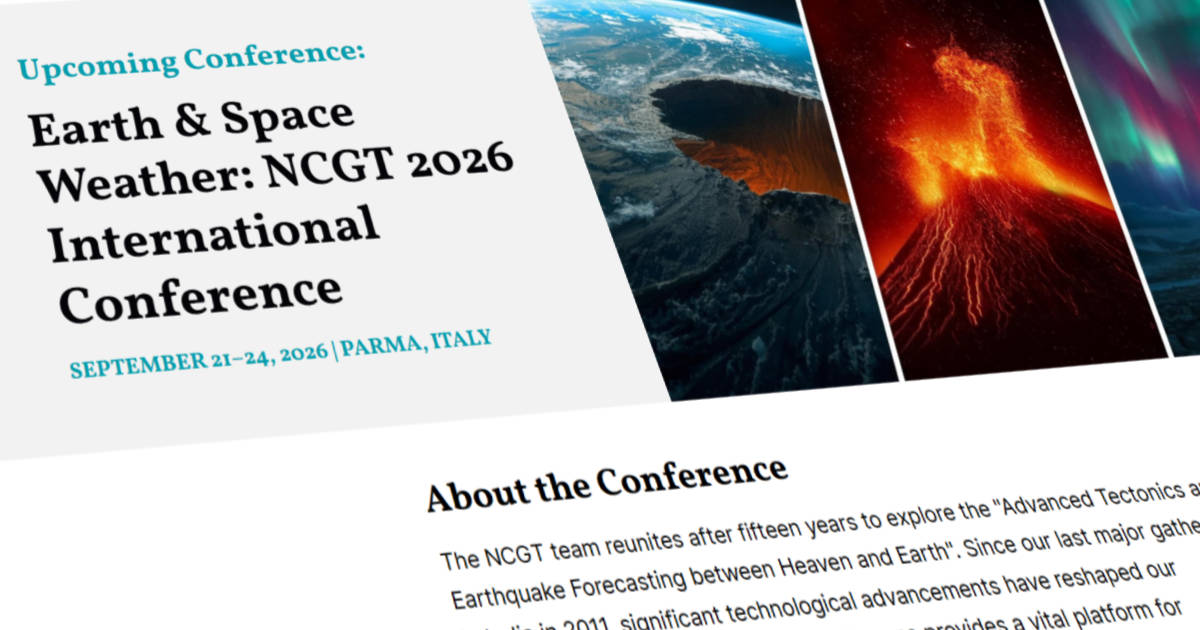
Earth & Space Weather: NCGT 2026 International Conference
What you will learn:
Empirical data and precursor monitoring systems for seismic and atmospheric disaster forecasting.
The role of solar transitions, space weather, and Earth–planetary magnetic interactions.
New, open-access geodynamic models presented by world-renowned researchers.
Limited number of in-person and virtual attendance tickets are still available!