Past Conference:
Earth & Space Weather: NCGT 2026 International Conference

About the Conference
Held at the VOCO Parma & Congressi in Parma, Italy, the NCGT International Conference brought together an international group of researchers for three days of presentations and an immersive field trip. The conference explored global tectonic models, Earth's core dynamics, plasma tectonics, and earthquake precursor forecasting. Key research topics ranged from inner core superrotation and high-energy neutrinos triggering seismic events to new planetary evolution models.
As a result of the conference strong research collaboration on earthquake forecasting has begun.
Read more about earthquake forecasting collaboration on GeoPlasma Research Institute


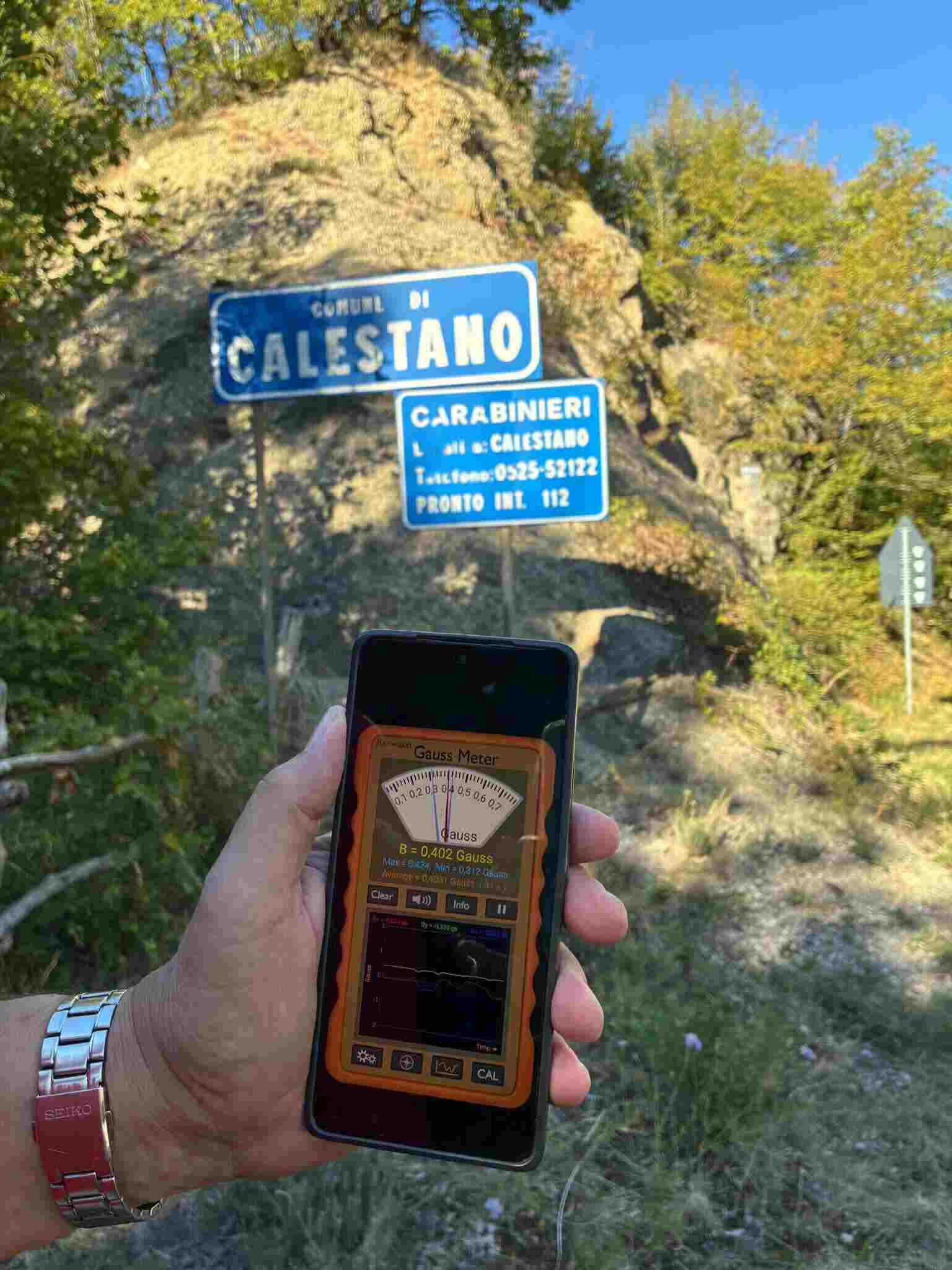
On the final day, participants took a guided field excursion into the local Apennine Mountains to conduct magnetic field measurements and examine geological faulting, ophiolite sequences, and unique sedimentary rock formations like The Devil's Salti. The event concluded with a book presentation by Giovanni Gregori (The Universe Out of the Box).


Core Scientific Themes
Our objective propose an integrated interpretation of geophysical phenomena.
Key areas of focus included:
- Seismic Precursors: Analyzing electromagnetic signals as potential indicators of seismic events. Read more about earthquake forecasting on this GeoPlasma Research Institute page.
- Earth–Space gravitational or tidal modulation as contributing factor in seismic susceptibility studies.
- The Global Electric Circuit: Exploring how the atmosphere, ionosphere, and surface constitute an electrically connected system.
- Solar Influence: Monitoring solar activity and the solar wind's influence on the magnetosphere and internal geodynamic systems.
- Interdisciplinary Modeling: Combining expertise in electromagnetism, atmospheric physics, and space weather.
Post Conference Published Papers

Location
Parma city: View Parma City welcome website




The NCGT Journal needs your donations
With your contributions, we can continue to publish the science of independent researchers and permit the Journal to grow and sustain itself into the future.